Seaweed Salads and Seafood-Based Meals: An Educational Overview of Nutrient-Rich Ingredients
A neutral guide to sea vegetables and seafood foods commonly used in salads and meal preparation.
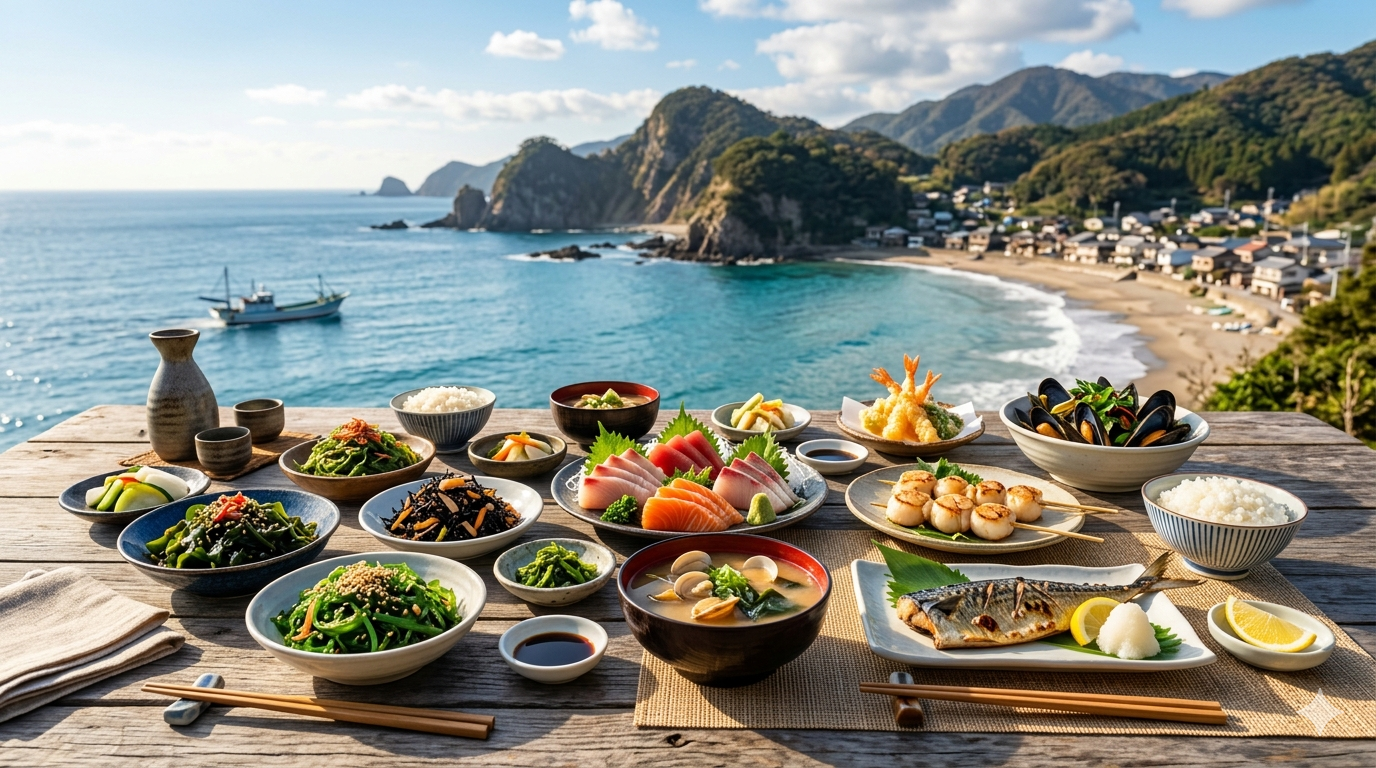
Seaweed salads and seafood-based meals appear in many coastal cuisines and food traditions. These dishes often combine marine ingredients such as edible seaweeds, fish, shellfish, and vegetables. In the Philippines and other maritime regions, these foods are commonly included in household meals and restaurant menus. This article provides a neutral overview of seaweed and seafood ingredients, their basic nutritional characteristics, and how they may be used in meal planning and food preparation.
Seaweed in Food Preparation
Seaweed refers to edible marine algae that can be consumed fresh, dried, or rehydrated. Several types are used in salads and side dishes.
Common edible seaweeds include:
- Lato (sea grapes) – small green seaweed often eaten fresh in salads.
- Kelp – brown seaweed sometimes used in soups and salads.
- Nori – dried seaweed sheets commonly used in various dishes.
- Wakame – seaweed frequently used in salads and soups.
Edible seaweeds may contain varying amounts of:
- dietary fiber
- iodine
- small amounts of protein
- minerals such as calcium, iron, and magnesium
Nutrient levels differ depending on the species, harvesting location, and preparation method.
Seafood as a Meal Component
Seafood refers to aquatic animals used as food, including fish and shellfish. In many coastal diets, seafood is a common source of dietary protein.
Examples of seafood used in meals include:
- Tuna
- Shrimp
- Squid
- Milkfish (Bangus)
Seafood may provide:
- protein
- omega-3 fatty acids
- vitamin B12
- selenium and iodine
The nutritional composition varies by species and cooking method.
Seaweed Salad Components
Seaweed salads may include a mix of ingredients that contribute flavor and texture.
Illustrative components:
- fresh Lato (sea grapes)
- sliced tomatoes
- chopped onions
- vinegar or citrus-based dressing
- optional seafood such as Shrimp or Squid
Such dishes may be served as side dishes or part of larger meals. Portion sizes and ingredient combinations vary depending on household practices and culinary traditions.
Seafood-Based Meal Examples
Seafood can be incorporated into various meal structures. The following examples illustrate how marine foods might appear in typical meal compositions.
Example meal structure:
Breakfast
- rice or grains
- fish such as Milkfish (Bangus)
Lunch
- vegetable dish
- seafood dish such as Shrimp or Squid
- rice or other staple foods
Dinner
- fish such as Tuna
- vegetable side dish
- seaweed salad
These examples are illustrative and do not represent specific dietary plans.
Context
In nutrition science discussions, foods are often categorized by nutrient contribution. Seafood may provide protein and certain fatty acids, while seaweed may contribute fiber and minerals. Balanced dietary patterns typically involve a variety of food groups such as vegetables, grains, protein sources, and fruits.
Under Philippine food safety and labeling oversight by the Department of Health and the Food and Drug Administration, packaged seafood products and processed seaweed foods are expected to follow food labeling and safety regulations. Consumers commonly review ingredient lists, storage instructions, and expiration dates when purchasing packaged foods.
Dietary responses and nutritional needs vary among individuals. Personalized dietary planning may involve consultation with licensed nutrition professionals.
FAQs
What is seaweed salad?
Seaweed salad refers to dishes prepared with edible seaweed combined with vegetables, seasonings, or seafood. The ingredients and preparation methods vary across cuisines and regions.
What nutrients are commonly found in seafood?
Seafood may contain protein, omega-3 fatty acids, vitamin B12, and minerals such as selenium and iodine. Nutrient amounts differ depending on the species and preparation method.
How are seaweeds used in meals?
Edible seaweeds can be used in salads, soups, side dishes, or garnishes. They may be consumed fresh, dried, or rehydrated depending on the culinary application.
Trusted Sources
- Department of Health — nutrition and health advisories
- Food and Drug Administration — food labeling and safety guidelines
- Food and Agriculture Organization of the United Nations — seafood and marine food resources
- Academic journals in nutrition science and dietetics
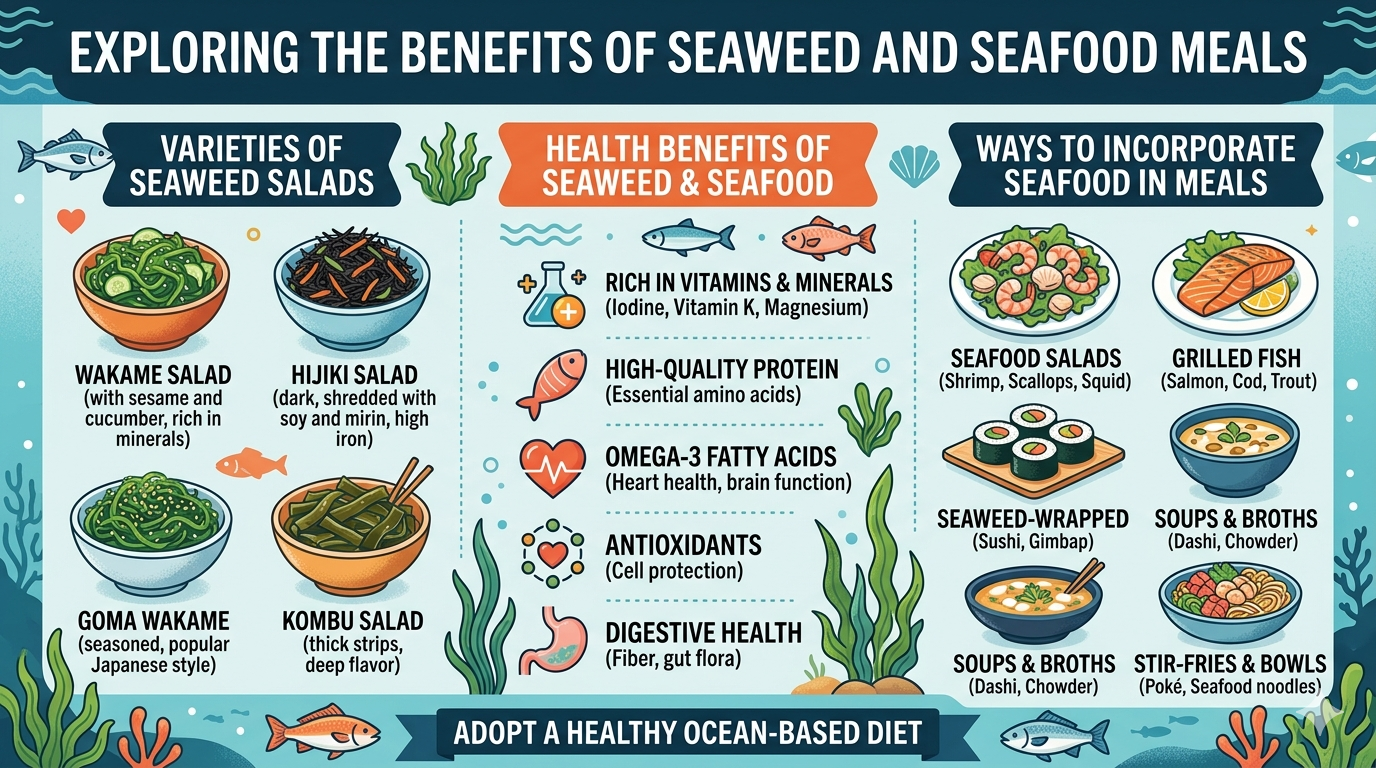
Illustration of edible seaweed varieties and seafood ingredients used in food preparation.
Disclaimer
This article is for general informational and educational purposes only. It does not constitute professional medical, nutrition, or dietary advice. References to diets, foods, or supplements do not imply endorsement or guarantee of health outcomes. Readers are encouraged to consult licensed nutritionists, dietitians, or medical professionals for personalized guidance.