
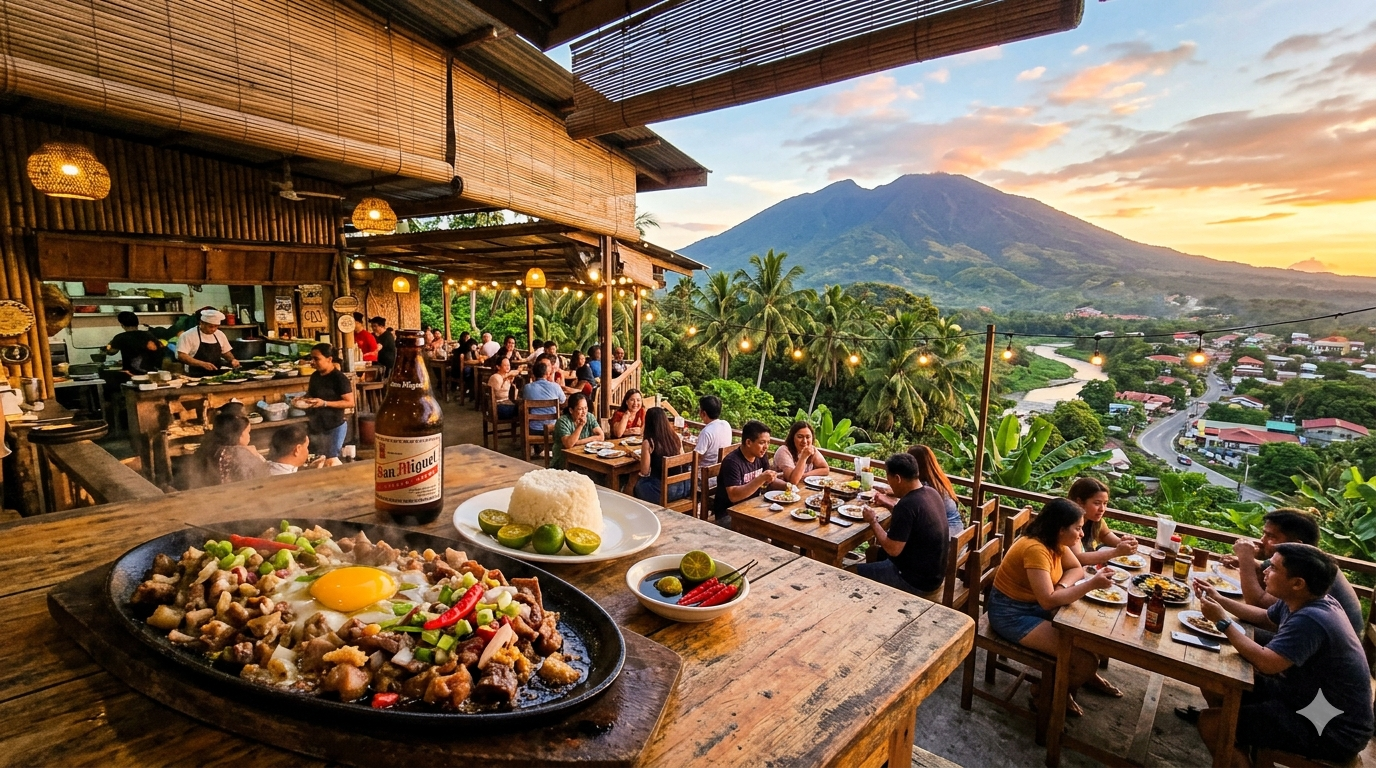
Description
Macronutrient Profile (General Overview)
The nutritional content of sisig can vary depending on preparation and portion size. In general:
Protein: Derived mainly from pork or other meat ingredients
Fat: Can be relatively high due to the use of pork cuts and added fats
Carbohydrates: Typically low, unless served with rice or other sides
Because of these characteristics, sisig is often considered an energy-dense dish.
Portion and Meal Context
Sisig is commonly consumed as part of a shared meal and is often paired with rice or other dishes. In meal planning contexts:
It may be combined with vegetables to increase dietary variety
Portion awareness may be considered when including energy-dense foods
Frequency of consumption can vary based on individual dietary patterns
Food Safety and Preparation Considerations
Proper food handling and preparation are important for dishes like sisig:
Meat should be cooked thoroughly
Ingredients should be handled under hygienic conditions
Storage and reheating practices should follow food safety guidance
These practices align with general food safety recommendations under Philippine regulations.
Context: Cultural and Dietary Perspective
In nutrition science and cultural studies, traditional dishes such as sisig are often discussed in terms of both cultural significance and nutritional composition. Dietary patterns typically involve a variety of foods rather than reliance on a single dish.
Under consumer protection and labeling standards, prepared food—especially when commercially sold—may also be subject to hygiene and safety regulations enforced by local government units and national agencies.
Individual dietary needs and preferences can differ, and culturally significant foods can be included in a balanced dietary pattern when consumed in appropriate contexts.
Reviews
There are no reviews yet.