Description
Common Ingredients and Preparation
Typical components include:
Beef (thinly sliced)
Salt (primary curing agent)
Optional ingredients: garlic, pepper, or vinegar (varies by household or producer)
General Preparation Process
Meat is sliced into thin strips
Salt and other ingredients are applied
The meat is left to cure for a period of time
It may be air-dried or refrigerated
Cooked by frying before serving
Preparation practices may vary depending on local traditions and food safety handling.
Nutritional Considerations
As a cured meat product, tapa typically contains:
Protein from beef
Fat, depending on the cut used
Sodium, which may be higher due to the curing process
Nutritional content can vary based on preparation methods and portion size. Consumers reviewing packaged tapa products may refer to labels regulated by the Food and Drug Administration Philippines for details such as sodium and fat content.
Common Serving Context
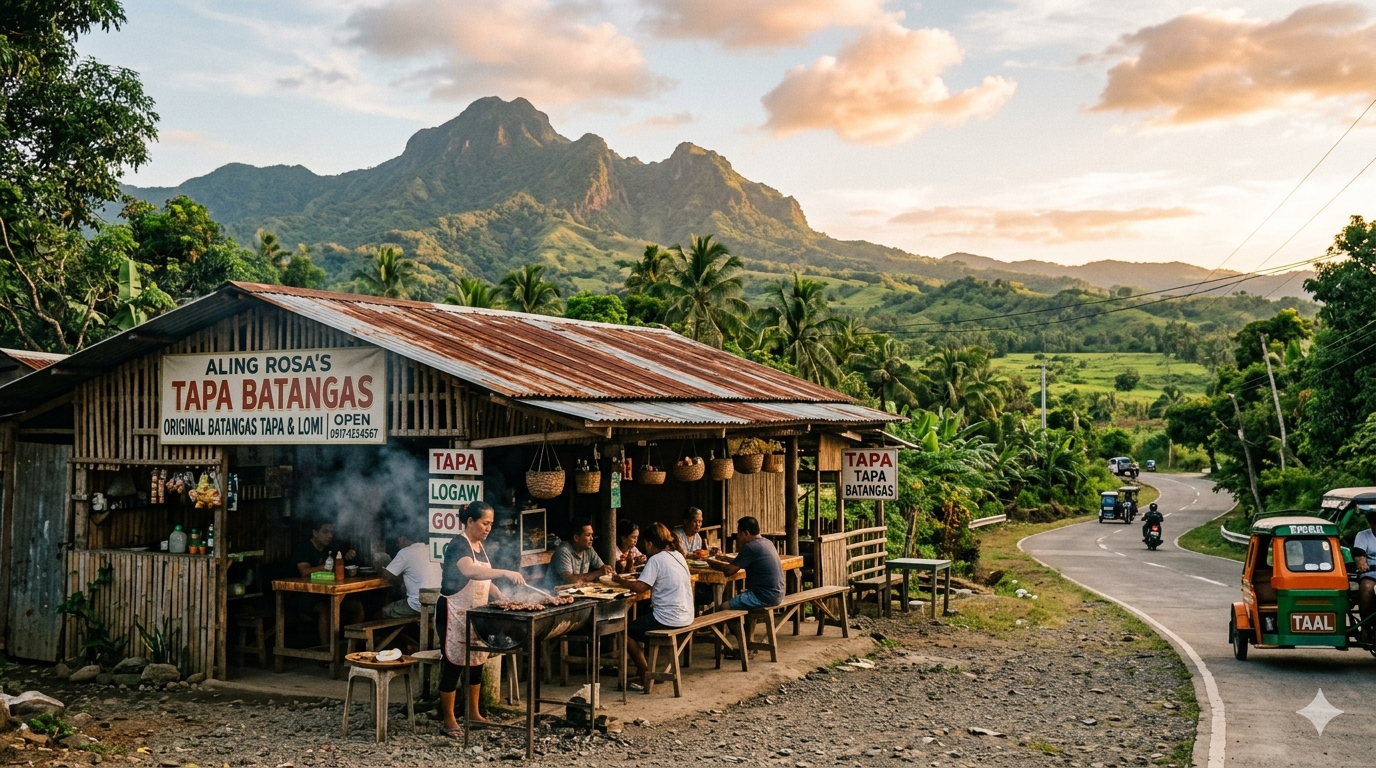
Tapa Batangas is often served as part of a traditional Filipino meal known as “tapsilog,” which includes:
Tapa (cured meat)
Garlic rice
Fried egg
This combination is commonly consumed during breakfast, though it may also be served at other times.
Food Safety and Consumer Awareness
Under guidance from the Department of Health and local food safety regulations:
Proper storage (refrigeration or controlled drying) is important for cured meats
Cooking meat thoroughly before consumption is a standard safety practice
Packaged products should include labeling such as ingredients and expiration dates
Consumers are encouraged to handle and prepare cured meats following safe food handling practices.