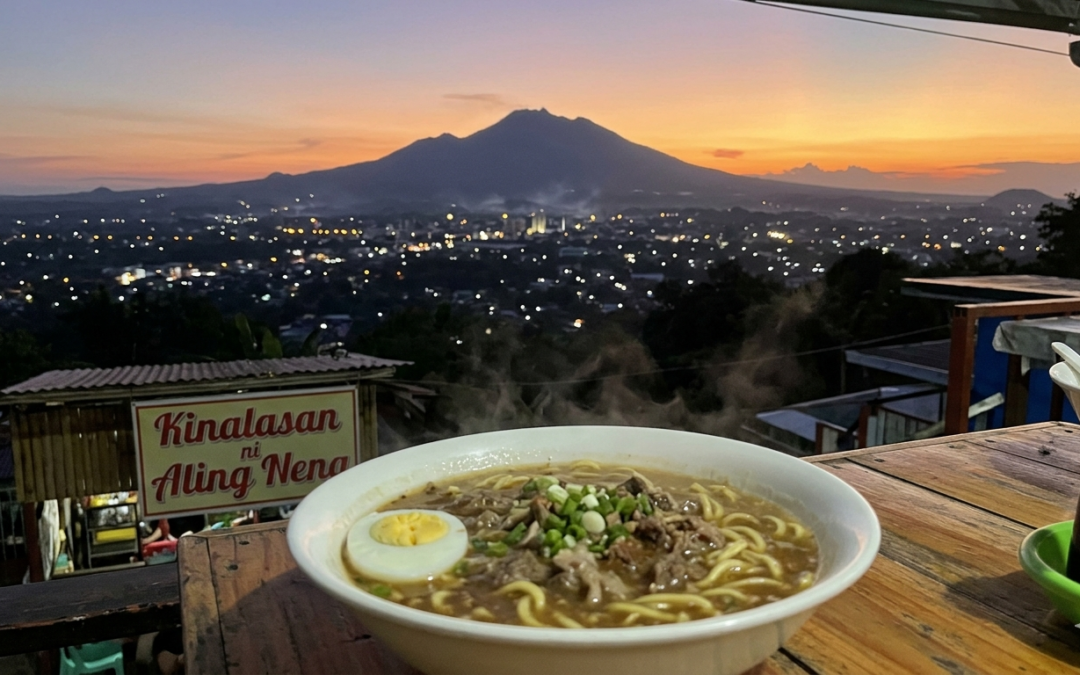
by villarramil028 | Mar 29, 2026 | Filipino Cuisine, Food & Nutrition Education
Kinalas: Isang Tradisyunal na Ulam mula sa Bicol
Pangkalahatang impormasyon tungkol sa sangkap, nutrisyon, at paghahanda
Ang kinalas ay isang tradisyunal na pagkaing Pilipino na karaniwang matatagpuan sa rehiyong Bicol, partikular sa Naga City. Ang artikulong ito ay naglalahad ng pangkalahatang kaalaman tungkol sa mga sangkap, paraan ng paghahanda, at nutrisyon ng ulam na ito, alinsunod sa mga prinsipyong pangkaligtasan sa pagkain at impormasyon mula sa mga ahensyang tulad ng Department of Health (DOH) at Food and Drug Administration (FDA Philippines).
Ano ang Kinalas?
Ang kinalas ay isang uri ng noodle soup na karaniwang gumagamit ng hiniwang karne mula sa ulo ng baka (tulad ng laman at utak) na nilalaga hanggang lumambot. Ito ay inihahain kasama ng miki noodles at mainit na sabaw.
Ang pangalan na “kinalas” ay nagmula sa paraan ng paghihiwalay o “pagkakalas” ng karne mula sa buto.
Karaniwang Sangkap
Ang mga pangunahing sangkap ng kinalas ay maaaring kabilang ang:
- Miki noodles
- Karne ng baka (lalo na mula sa ulo)
- Sabaw ng baka (bone broth)
- Bawang at sibuyas
- Paminta at asin
- Optional: utak ng baka
Ang eksaktong sangkap ay maaaring mag-iba depende sa nagluluto o tindahan.
Nutrisyonal na Pangkalahatang Impormasyon
Macronutrients:
- Protina: mula sa karne ng baka
- Taba: maaaring magmula sa karne at sabaw
- Carbohydrates: mula sa noodles
Micronutrients:
- Iron: karaniwang matatagpuan sa karne ng baka
- B vitamins: sumusuporta sa iba’t ibang metabolic processes
Ang nutrient content ay maaaring mag-iba depende sa dami at uri ng sangkap na ginamit.
Paraan ng Paghahanda (Pangkalahatan)
Sa tradisyunal na pagluluto:
- Pinakukuluan ang ulo ng baka upang lumambot ang karne
- Kinakalas ang laman mula sa buto
- Inihahanda ang sabaw bilang base ng soup
- Pinagsasama ang noodles, karne, at sabaw bago ihain
Ang kalinisan sa paghahanda at tamang pagluluto ay mahalaga upang matiyak ang food safety.
Pagkain at Portion Awareness
Ang kinalas ay karaniwang inihahain bilang isang buong pagkain dahil sa kombinasyon ng protina, carbohydrates, at taba. Sa konteksto ng dietary awareness:
- Maaaring obserbahan ang dami ng serving
- Maaaring isaalang-alang ang kabuuang pagkain sa buong araw
Walang iisang standard na portion para sa lahat ng tao.
Context
Sa mga pag-aaral sa nutrisyon, ang mga tradisyunal na pagkain tulad ng kinalas ay bahagi ng cultural dietary patterns. Ang kanilang nutritional value ay nakadepende sa sangkap at paraan ng pagluluto.
Sa ilalim ng mga regulasyon sa Pilipinas tulad ng Food Safety Act at Consumer Act (RA 7394), mahalaga ang wastong paghahanda at kalinisan sa pagkain upang maiwasan ang foodborne risks.
Ang dietary needs ay nagkakaiba-iba sa bawat indibidwal, kaya ang interpretasyon ng pagkain ay dapat nakaayon sa kabuuang diet pattern at hindi sa iisang ulam lamang.
FAQs
Ano ang kinalas?
Ang kinalas ay isang noodle soup mula sa Bicol na gumagamit ng karne ng baka at sabaw bilang base. Ito ay kilala sa paggamit ng karne mula sa ulo ng baka.
Ano ang pangunahing nutrisyon sa kinalas?
Naglalaman ito ng protina, taba, at carbohydrates mula sa karne at noodles. Maaari rin itong magkaroon ng iron at B vitamins.
Paano ito naiiba sa ibang noodle soups?
Natatangi ito dahil sa paggamit ng ulo ng baka at sa paraan ng paghihiwalay ng karne mula sa buto.
Trusted Sources
- Department of Health (Philippines) – Food safety and nutrition guidelines
- Food and Drug Administration (Philippines) – Food handling standards
- Food and Agriculture Organization (FAO) – Traditional diets and nutrition
- Peer-reviewed food science and nutrition journals
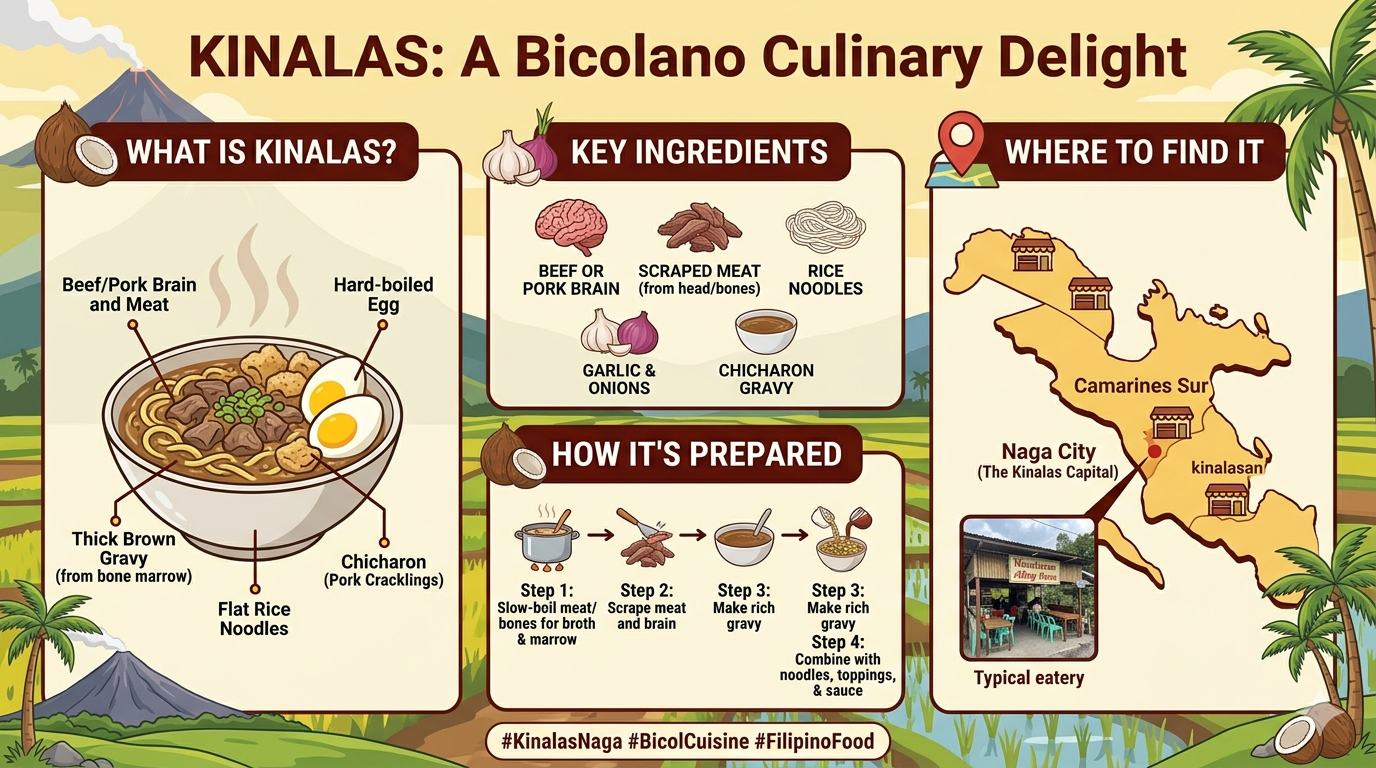
Visual layout of kinalas ingredients and preparation sequence
Disclaimer
This article is for general informational and educational purposes only. It does not constitute professional medical, nutrition, or dietary advice. References to diets, foods, or supplements do not imply endorsement or guarantee of health outcomes. Readers are encouraged to consult licensed nutritionists, dietitians, or medical professionals for personalized guidance.
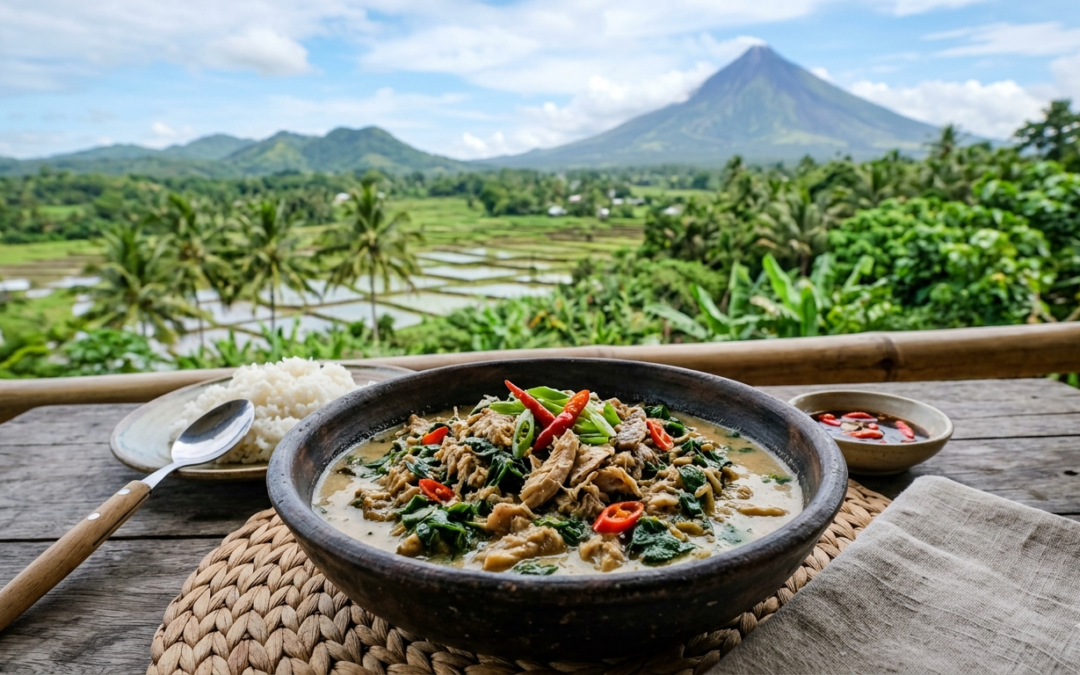
by villarramil028 | Mar 29, 2026 | Filipino Cuisine, Food & Nutrition Education
Kinunot: A Traditional Coconut-Based Dish from the Philippines
An educational overview of ingredients, preparation methods, and nutritional components
Kinunot is a traditional Filipino dish commonly associated with the Bicol Region. It is typically prepared using flaked fish such as shark or stingray, combined with coconut milk, leafy greens, and aromatics. This article provides a neutral, educational overview of kinunot, including its ingredients, preparation style, and general nutritional considerations, within the context of Philippine food culture and food safety standards.
What Is Kinunot?
Kinunot is a savory dish made by simmering shredded or flaked seafood—traditionally shark (pating) or stingray (pagi)—in coconut milk (gata). The term “kinunot” refers to the process of shredding or flaking the cooked fish.
Common ingredients include:
- Coconut milk
- Garlic, onion, and ginger
- Vinegar or citrus (optional, depending on preparation)
- Chili peppers
- Leafy vegetables such as malunggay or pechay
Preparation methods may vary by locality and household practices.
Food Preparation and Safety Considerations
Under Philippine food safety guidelines (e.g., FDA Philippines and DOH advisories):
- Seafood should be sourced from reputable suppliers
- Proper cleaning and cooking are important to reduce foodborne risks
- Coconut milk should be handled and stored properly to prevent spoilage
- Cooking typically involves thorough heating to ensure food safety
Some versions of kinunot include pre-boiling the fish before shredding and simmering in coconut milk.
Nutritional Components
Kinunot contains a combination of macronutrients and micronutrients depending on ingredients used:
- Protein:
Fish such as shark or stingray provide protein, which supports tissue structure and function.
- Fats:
Coconut milk contains dietary fats, including saturated fats. These contribute to energy intake.
- Vitamins and Minerals:
Leafy vegetables may provide vitamins such as vitamin A and C, along with minerals like iron and calcium.
- Fluids and Electrolytes:
The dish’s broth contributes to overall fluid intake, depending on portion size.
Nutrient composition may vary based on preparation methods and ingredient proportions.
Cultural and Dietary Perspective
In Philippine culinary traditions, dishes like kinunot reflect regional use of locally available ingredients such as coconut and seafood. In nutrition science, meals combining protein sources, vegetables, and fats are often discussed in the context of dietary diversity.
Under consumer protection standards:
- Ingredient transparency and safe food handling are emphasized
- Dietary outcomes vary depending on overall eating patterns and individual factors
FAQs
What does “kinunot” mean?
“Kinunot” refers to the method of flaking or shredding cooked fish into smaller pieces before combining it with other ingredients.
Is kinunot always made with shark or stingray?
Traditional recipes use shark or stingray, but some variations use other types of fish depending on availability.
What are the main ingredients in kinunot?
The dish typically includes flaked fish, coconut milk, aromatics like garlic and ginger, and leafy vegetables.
Trusted Sources
- Department of Health (Philippines) – Food Safety and Nutrition Guidelines
- Food and Drug Administration (Philippines) – Food Handling and Labeling Standards
- Philippine Food Composition Tables (FNRI-DOST)
- Academic publications on Filipino cuisine and food science
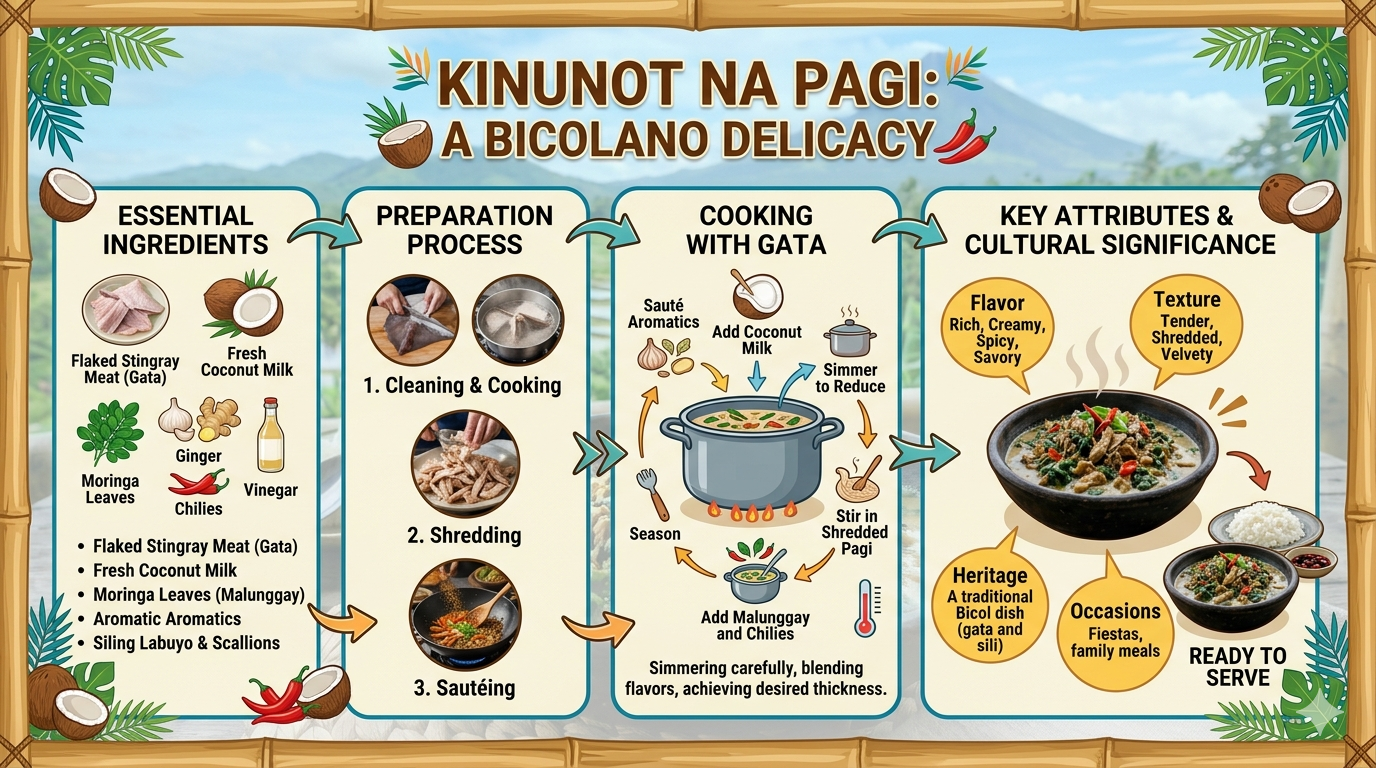
Visual of ingredients commonly used in kinunot
Disclaimer
This article is for general informational and educational purposes only. It does not constitute professional medical, nutrition, or dietary advice. References to diets, foods, or supplements do not imply endorsement or guarantee of health outcomes. Readers are encouraged to consult licensed nutritionists, dietitians, or medical professionals for personalized guidance.
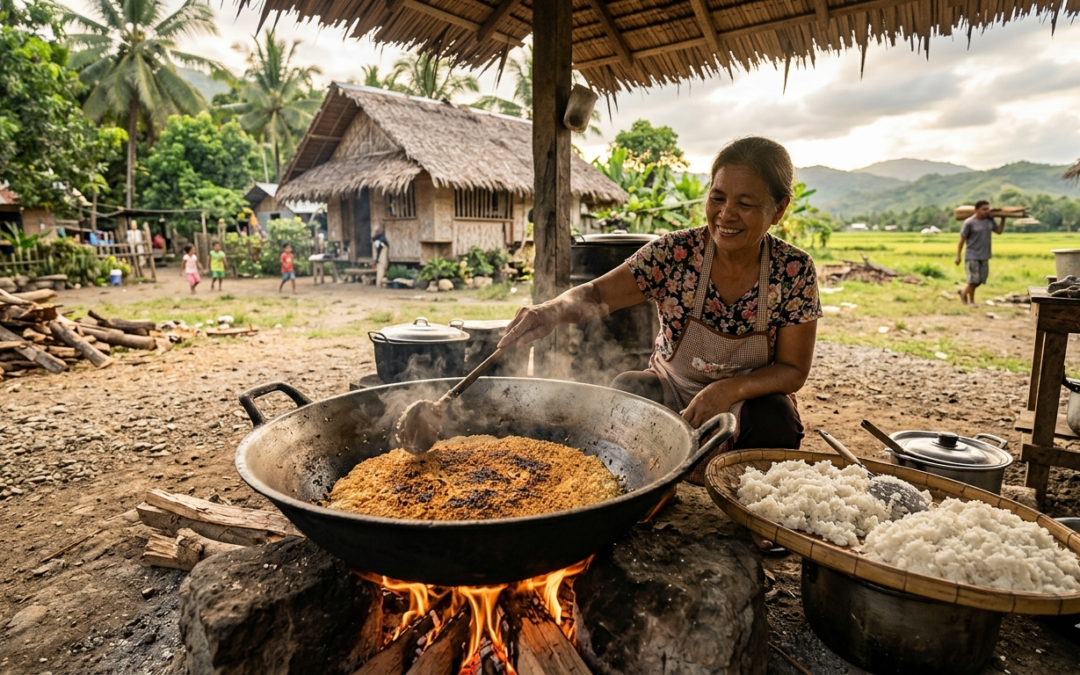
by villarramil028 | Mar 29, 2026 | Filipino Cuisine, Food & Nutrition Education
Tinutong na Kanin: Nutritional Overview and Culinary Context
A neutral guide on the preparation, nutritional aspects, and safe consumption of tinutong na kanin.
Tinutong na kanin is a traditional Filipino preparation of rice in which the bottom layer becomes lightly toasted or browned during cooking. This article explores its nutritional characteristics, culinary preparation, and consumer considerations. Under Philippine food safety and labeling standards, understanding cooking methods and nutrient content is part of safe dietary awareness.
Culinary Preparation
Tinutong na kanin forms naturally when rice is cooked in a pot or clay vessel and the bottom layer develops a toasted texture due to Maillard reactions. It is often served as part of meals or used as an ingredient in traditional snacks.
Nutritional Principles
- Macronutrients: Rice primarily provides carbohydrates, with small amounts of protein and negligible fat. Tinutong na kanin has a slightly altered carbohydrate profile due to minor browning.
- Micronutrients: Trace minerals present in rice, such as magnesium and phosphorus, are largely retained after toasting.
- Energy Consideration: Toasting may slightly reduce moisture content, concentrating the caloric density per gram.
Safe Consumption Practices
- Avoid excessive browning to reduce formation of potentially harmful compounds such as acrylamide.
- Ensure rice is stored and reheated safely to minimize bacterial growth.
- Portion intake as part of balanced meals including vegetables, protein sources, and other nutrient-dense foods.
Hypothetical Meal Example
Breakfast Scenario:
- ½ cup cooked tinutong na kanin
- 1 boiled egg
- ½ cup sautéed vegetables
- 1 cup water
Nutrient breakdown (illustrative, approximate):
- Carbohydrates: 25–30g
- Protein: 6–8g
- Fat: 2–3g
- Fiber: 2–3g
Context
In nutrition science studies, variations in cooking methods can affect minor nutrient content and food safety. Under consumer protection and labeling standards in the Philippines, traditional foods like tinutong na kanin are considered safe when prepared and stored properly. Dietary results vary individually, and consumers should consider overall meal balance rather than focusing on a single food item.
FAQs
What is tinutong na kanin?
It is rice that has been lightly toasted or browned at the bottom during cooking.
Does toasting rice change its nutrients?
Minor nutrient changes may occur, mostly affecting moisture and slightly concentrating calories.
Is tinutong na kanin safe to eat?
Yes, when cooked properly and consumed as part of a balanced diet. Avoid excessive burning and ensure safe storage.
Trusted Sources
- Department of Health (DOH Philippines) – Food Safety Guidelines
- Food and Drug Administration (FDA Philippines) – Rice and Staple Foods Reference
- Philippine Rice Research Institute (PhilRice) – Nutritional Composition of Rice
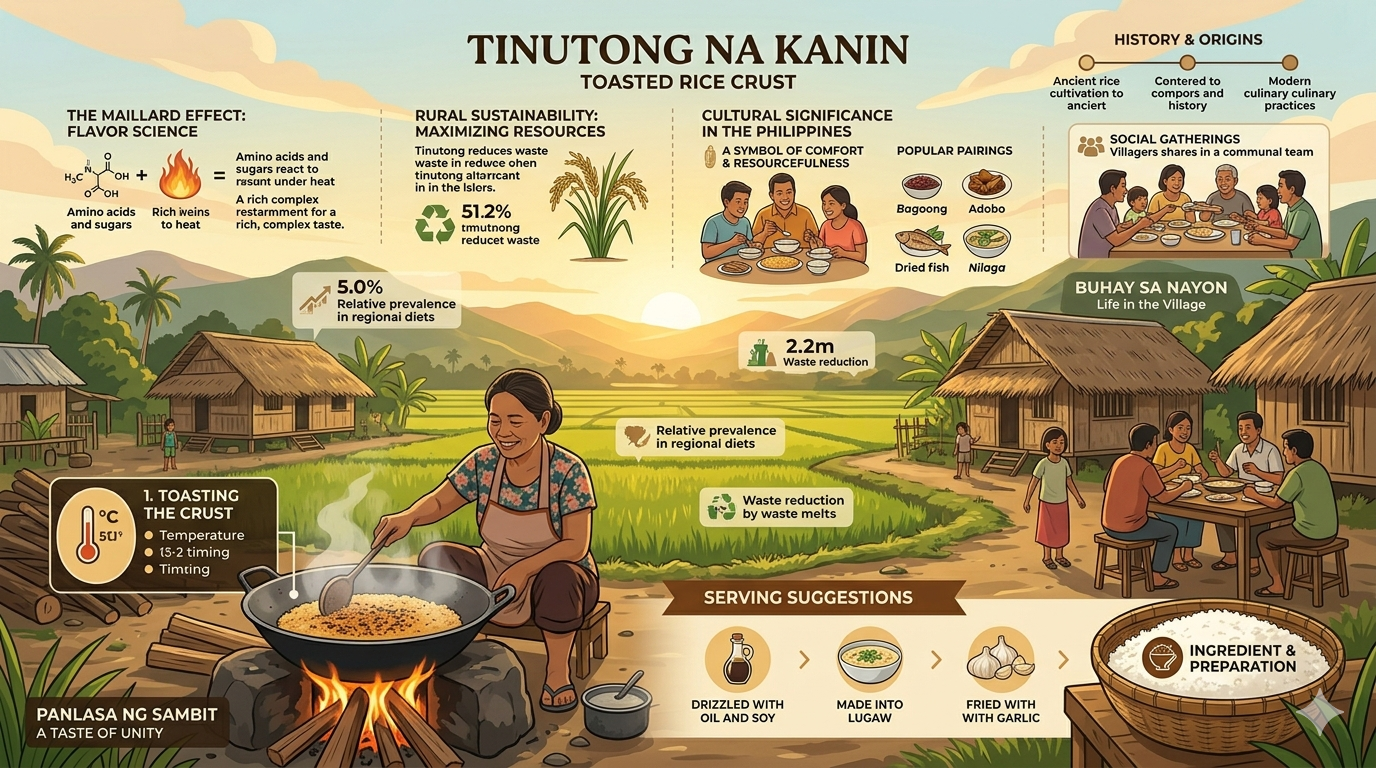
Infographic showing rice layers and cooking overview without guidance or outcomes.
Disclaimer
This article is for general informational and educational purposes only. It does not constitute professional medical, nutrition, or dietary advice. References to foods or preparation methods do not imply endorsement or guarantee of health outcomes. Readers are encouraged to consult licensed nutritionists, dietitians, or medical professionals for personalized guidance.
by villarramil028 | Mar 29, 2026 | Filipino Cuisine, Food & Nutrition Education
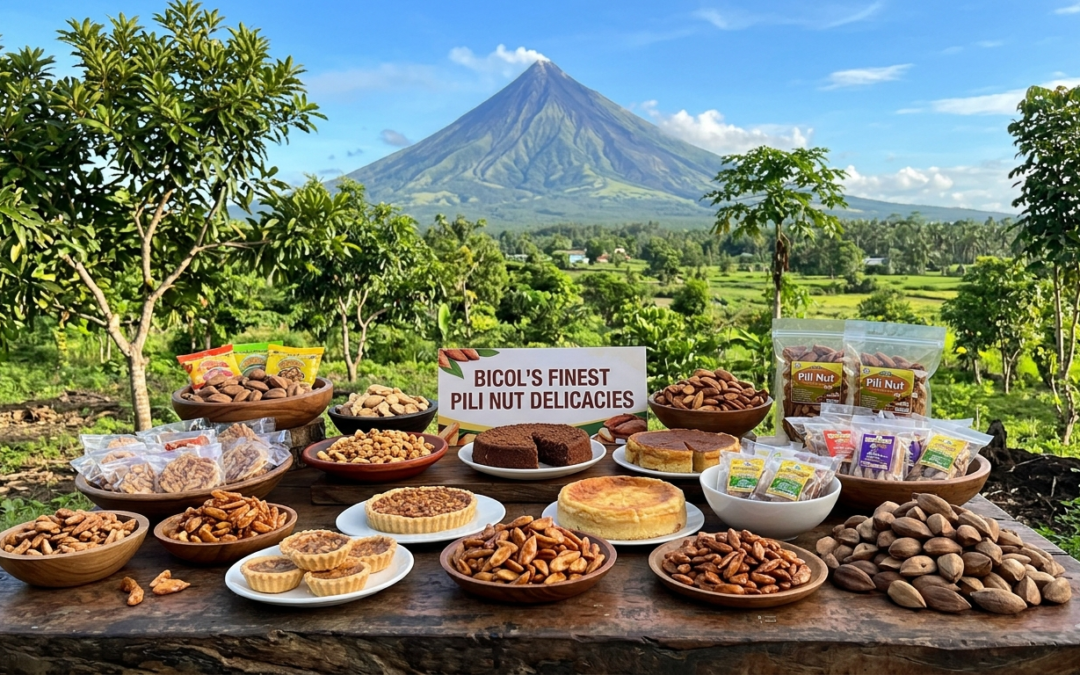
Pili Nut Delicacies: An Educational Overview of Nutritional Use
A neutral review of pili nuts, their nutritional profile, and common ways they are used in Philippine foods.
Pili nuts (from Canarium ovatum) are native to the Philippines and are commonly used in snacks, pastries, and confectionery. This article provides an educational overview of pili nuts, their nutrient content, and how they are incorporated into various delicacies. The discussion aligns with Department of Health (DOH) and Food and Drug Administration (FDA) standards for safe food consumption and labeling. Readers will learn about the macronutrient and micronutrient aspects of pili nuts and neutral considerations for including them in hypothetical meal planning.
Nutritional Profile of Pili Nuts
Pili nuts are naturally rich in:
- Monounsaturated fats – a source of dietary energy and essential fatty acids
- Protein – contributes to daily protein intake when included in meals
- Dietary fiber – supports digestion
- Micronutrients – including magnesium, phosphorus, and vitamin E
Because they are calorie-dense, portions are typically moderate in balanced meal planning. Pili nuts can be roasted, blended into spreads, or incorporated into baked goods.
Common Pili Nut Delicacies
- Pili Nut Candies and Brittle – Roasted nuts coated in sugar or caramel; consumed as snacks in small portions.
- Pili Nut Chocolate – Mixed with chocolate in confectionery items; provides additional flavor and fat content.
- Baked Goods – Cookies, pastries, and cakes sometimes use ground or chopped pili nuts for texture and nutrient contribution.
- Nut Butter – Creamy spreads made from roasted pili nuts; can be used as an ingredient in sandwiches or desserts.
These delicacies are primarily appreciated for their flavor and texture, and nutritional content can vary depending on preparation methods, such as added sugar or fat.
Safe Consumption Considerations
- Pili nuts are generally safe for consumption by the general population, except in cases of tree nut allergies.
- Moderation is recommended due to high caloric content.
- When purchasing packaged pili nut products, checking FDA labeling for ingredient lists, expiration dates, and product authenticity is advised.
Context
In nutrition science studies, nuts are recognized as energy-dense foods that contribute healthy fats and micronutrients to the diet. Under Philippine consumer protection and labeling standards, packaged nuts must list all ingredients and allergens clearly. Dietary planning involving pili nuts typically focuses on portion control and balance with other macronutrients. Nutritional outcomes vary individually, and personalized guidance should be sought from licensed dietitians or medical professionals if needed.
FAQs
What are pili nuts?
Pili nuts are edible seeds from the Canarium ovatum tree, native to the Philippines. They are used in snacks, pastries, and confectionery.
What nutrients do pili nuts provide?
They contain protein, dietary fiber, monounsaturated fats, magnesium, phosphorus, and vitamin E.
Are pili nut delicacies safe for everyone?
Generally yes, except for individuals with tree nut allergies. Consumption should be moderate due to high caloric density.
Trusted Sources
- Department of Health (DOH) Philippines — Nutrition and Food Safety Advisories
- Food and Drug Administration (FDA) Philippines — Food Labeling Guidelines
- Philippine Journal of Nutrition — Peer-reviewed studies on nut consumption
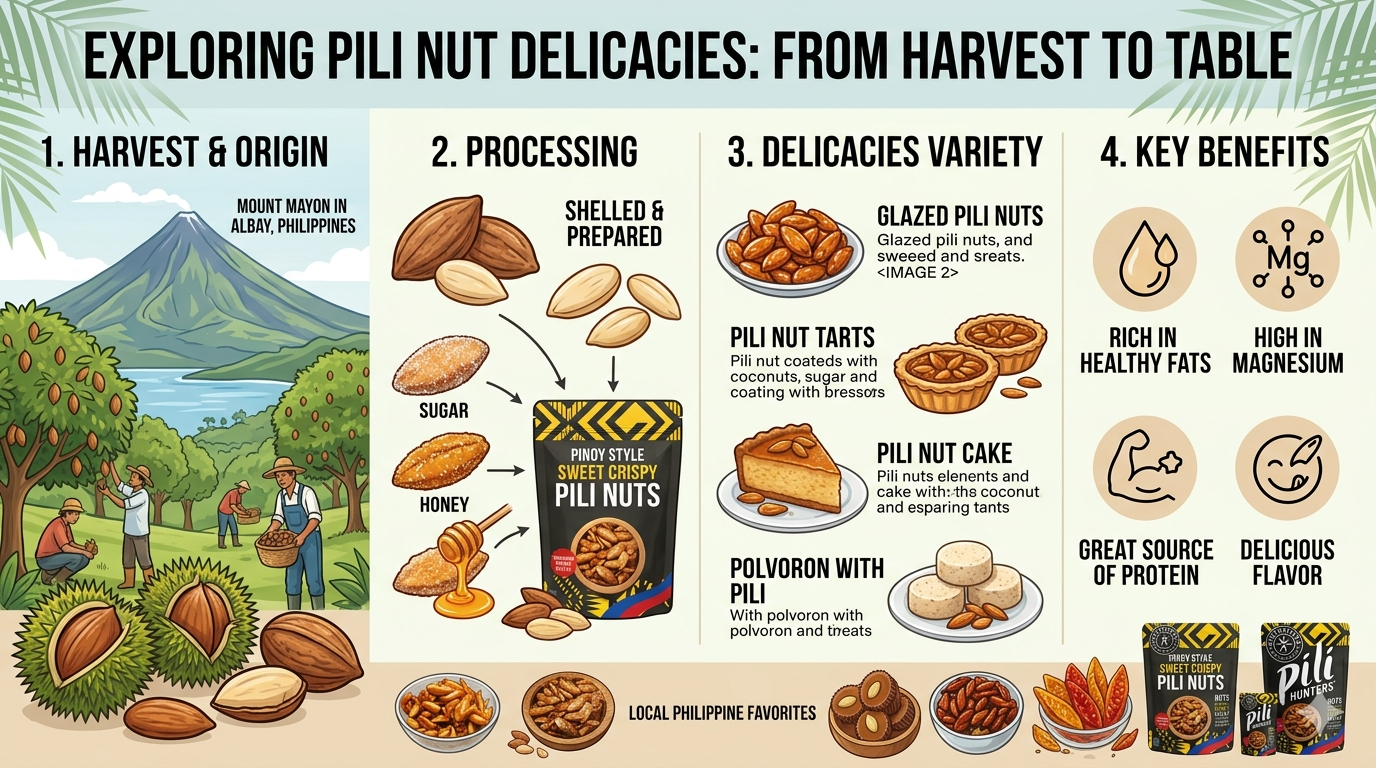
Illustration of pili nut types and usage in Philippine snacks and desserts
Disclaimer
This article is for general informational and educational purposes only. It does not constitute professional medical, nutrition, or dietary advice. References to foods or preparations do not imply endorsement or guarantee of health outcomes. Readers are encouraged to consult licensed nutritionists, dietitians, or medical professionals for personalized guidance.

by villarramil028 | Mar 29, 2026 | Filipino Cuisine, Food & Nutrition Education
Sinantolan: Educational Overview of a Filipino Dish
Sinantolan is a traditional Filipino dish made from grated cudrania or santol fruit (locally called santol), typically cooked with coconut milk, chili, and sometimes small amounts of meat or seafood. This article provides an educational overview of its nutritional components and general considerations for safe consumption. The information aligns with general food safety guidance from the Department of Health and Food and Drug Administration.
Ingredients and Nutrient Components
- Santol fruit: Provides dietary fiber, vitamin C, and antioxidants.
- Coconut milk: Contains fats, primarily saturated fat, and some minerals like potassium and magnesium.
- Chilies: Add flavor and small amounts of vitamins such as vitamin C and carotenoids.
- Optional protein sources: Small amounts of meat, shrimp, or fish may be included, contributing protein, iron, and other micronutrients.
Sinantolan is usually prepared as a savory dish, often eaten with rice, and portion sizes may vary according to personal preference.
Dietary Considerations
- Fiber: Santol contributes to dietary fiber intake, which can support digestion.
- Fat content: Coconut milk increases saturated fat intake; moderation may be considered depending on individual dietary needs.
- Spice: Chilies may affect digestive comfort in some individuals.
This overview is purely informational and does not constitute a recommendation for consumption or portioning.
Hypothetical Meal Context
A typical meal including Sinantolan could look like:
- Main dish: Sinantolan with shrimp
- Side: Steamed brown rice
- Vegetables: Sautéed leafy greens
This example is illustrative to show nutrient variety and does not prescribe specific health outcomes.
Context
In Philippine food culture, Sinantolan demonstrates the use of local fruits in savory cooking. From a nutritional science perspective, incorporating a variety of fruits, vegetables, and protein sources supports a range of nutrients.
Under consumer protection and food safety standards, it is important to ensure ingredients are fresh, properly washed, and cooked at safe temperatures.
FAQs
What is Sinantolan?
Sinantolan is a Filipino dish made with grated santol fruit, coconut milk, and optional protein, usually served as a savory side or main dish.
Is Sinantolan nutritious?
It contains dietary fiber, vitamin C, fats from coconut milk, and protein if meat or seafood is included. Nutrient content depends on preparation and portion sizes.
Can Sinantolan be part of a balanced meal?
When combined with other food groups, such as grains and vegetables, it can contribute to dietary variety. Individual dietary needs may vary.
Trusted Sources
- Department of Health – General nutrition and food safety advisories
- Food and Drug Administration – Food labeling and preparation guidelines
- Peer-reviewed journals on Filipino cuisine and nutrient composition of tropical fruits
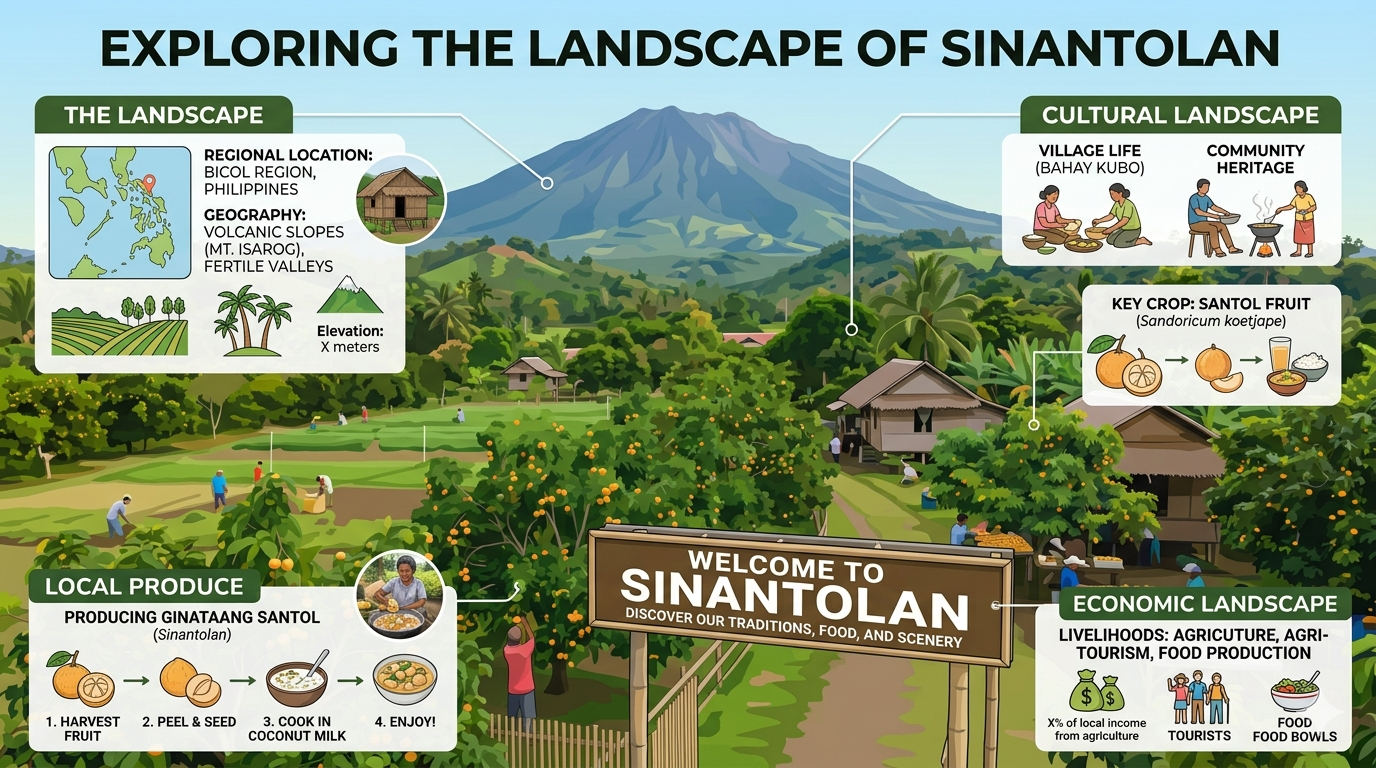
Diagram illustrating the key components of Sinantolan with labeling of main ingredients.
Disclaimer
This article is for general informational and educational purposes only. It does not constitute professional medical, nutrition, or dietary advice. References to foods do not imply endorsement or guarantee of health outcomes. Readers are encouraged to consult licensed nutritionists, dietitians, or medical professionals for personalized guidance.

