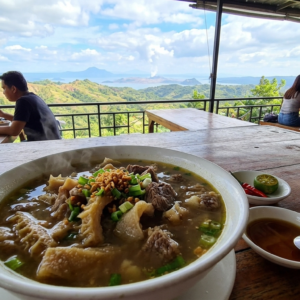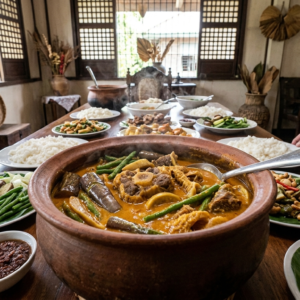
Description
Nutritional Components of Laing
Laing is typically prepared with the following main ingredients:
Dried taro leaves – contain dietary fiber, vitamins A and C, and minerals such as calcium and iron.
Coconut milk – a source of dietary fat, particularly medium-chain triglycerides (MCTs).
Chili peppers – contribute vitamin C and antioxidants.
Shrimp or dried fish (optional) – provide protein, B vitamins, and trace minerals.
Spices (garlic, ginger, onion) – contribute flavor and bioactive compounds without significant caloric contribution.
Macronutrient Perspective (per typical serving, illustrative):
Carbohydrates: ~5–8 g
Protein: ~3–6 g (depending on added seafood or meat)
Fat: ~10–15 g (from coconut milk)
Fiber: ~2–4 g
Micronutrients of Interest:
Vitamin A (from taro leaves)
Vitamin C (from chili and taro leaves)
Iron and calcium (from leaves and seafood)
Safe Preparation Practices
Cooking – Taro leaves must be thoroughly cooked to reduce naturally occurring calcium oxalate, which may cause irritation if consumed raw.
Storage – Prepared Laing should be refrigerated and consumed within 1–2 days to minimize microbial growth.
Ingredient Awareness – Consumers should verify the source of dried taro leaves and seafood to ensure freshness and compliance with DOH/FDA standards.