Description
What Is Kinunot?
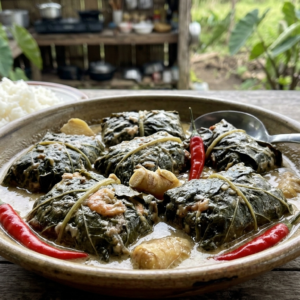
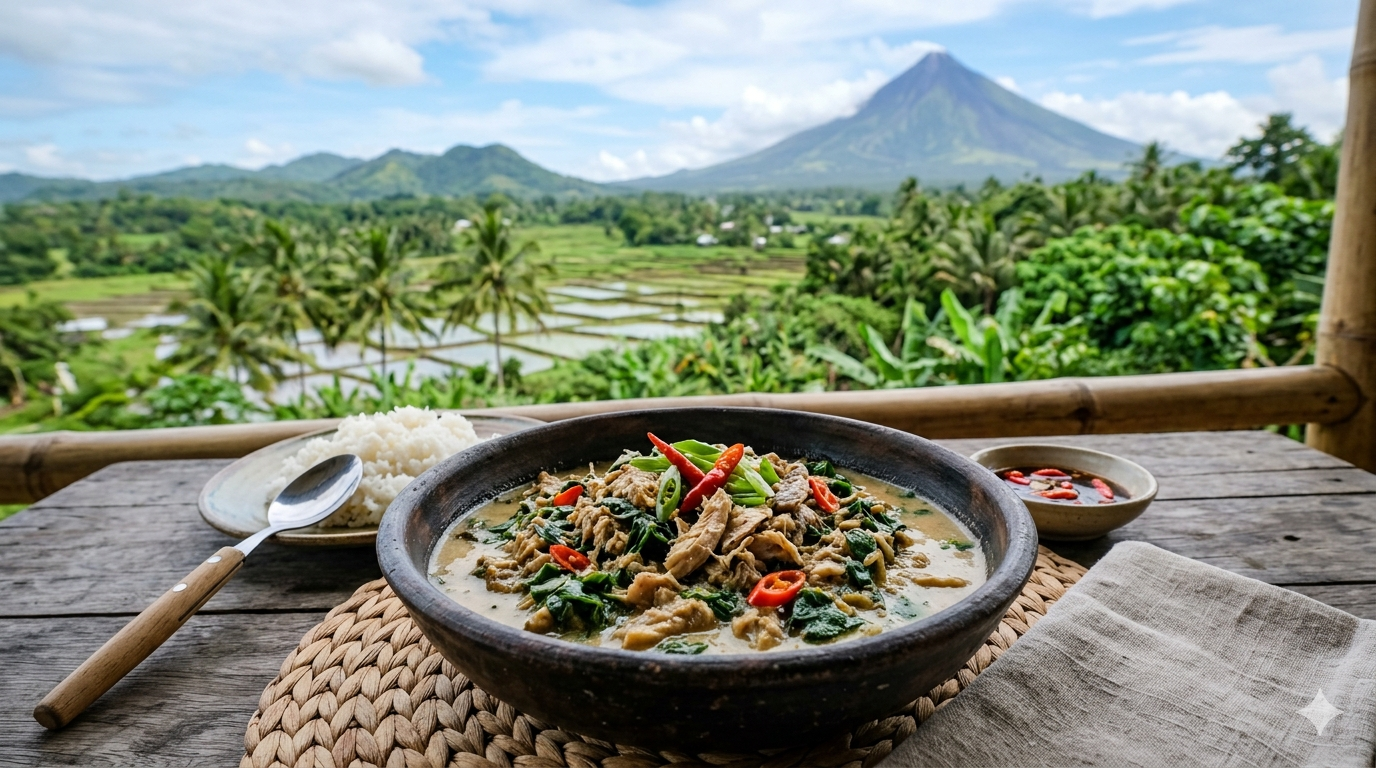
Kinunot is a savory dish made by simmering shredded or flaked seafood—traditionally shark (pating) or stingray (pagi)—in coconut milk (gata). The term “kinunot” refers to the process of shredding or flaking the cooked fish.
Common ingredients include:
- Coconut milk
- Garlic, onion, and ginger
- Vinegar or citrus (optional, depending on preparation)
- Chili peppers
- Leafy vegetables such as malunggay or pechay
Preparation methods may vary by locality and household practices.
Food Preparation and Safety Considerations
Under Philippine food safety guidelines (e.g., FDA Philippines and DOH advisories):
- Seafood should be sourced from reputable suppliers
- Proper cleaning and cooking are important to reduce foodborne risks
- Coconut milk should be handled and stored properly to prevent spoilage
- Cooking typically involves thorough heating to ensure food safety
Some versions of kinunot include pre-boiling the fish before shredding and simmering in coconut milk.
Nutritional Components (General Overview)
Kinunot contains a combination of macronutrients and micronutrients depending on ingredients used:
- Protein:
Fish such as shark or stingray provide protein, which supports tissue structure and function. - Fats:
Coconut milk contains dietary fats, including saturated fats. These contribute to energy intake. - Vitamins and Minerals:
Leafy vegetables may provide vitamins such as vitamin A and C, along with minerals like iron and calcium. - Fluids and Electrolytes:
The dish’s broth contributes to overall fluid intake, depending on portion size.
Nutrient composition may vary based on preparation methods and ingredient proportions.
Cultural and Dietary Perspective
In Philippine culinary traditions, dishes like kinunot reflect regional use of locally available ingredients such as coconut and seafood. In nutrition science, meals combining protein sources, vegetables, and fats are often discussed in the context of dietary diversity.
Under consumer protection standards:
- Ingredient transparency and safe food handling are emphasized
- Dietary outcomes vary depending on overall eating patterns and individual factors